
I just killed my baby.
Tonight, here in the quiet of Davao, I shut down the main GPU power to a massive, unmanned AI rendering factory I’ve spent months pouring my soul into. Was it a bug? An error? Nope. The system was flawless. A finished product.
This is the story of why a solo founder would intentionally stop a perfectly good B2B SaaS project, the painful math of opportunity cost, and the technical cheat code I used to put my cloud infrastructure into perfect hibernation—without losing a single byte of work.
The Perfect Weapon I Had to Deactivate
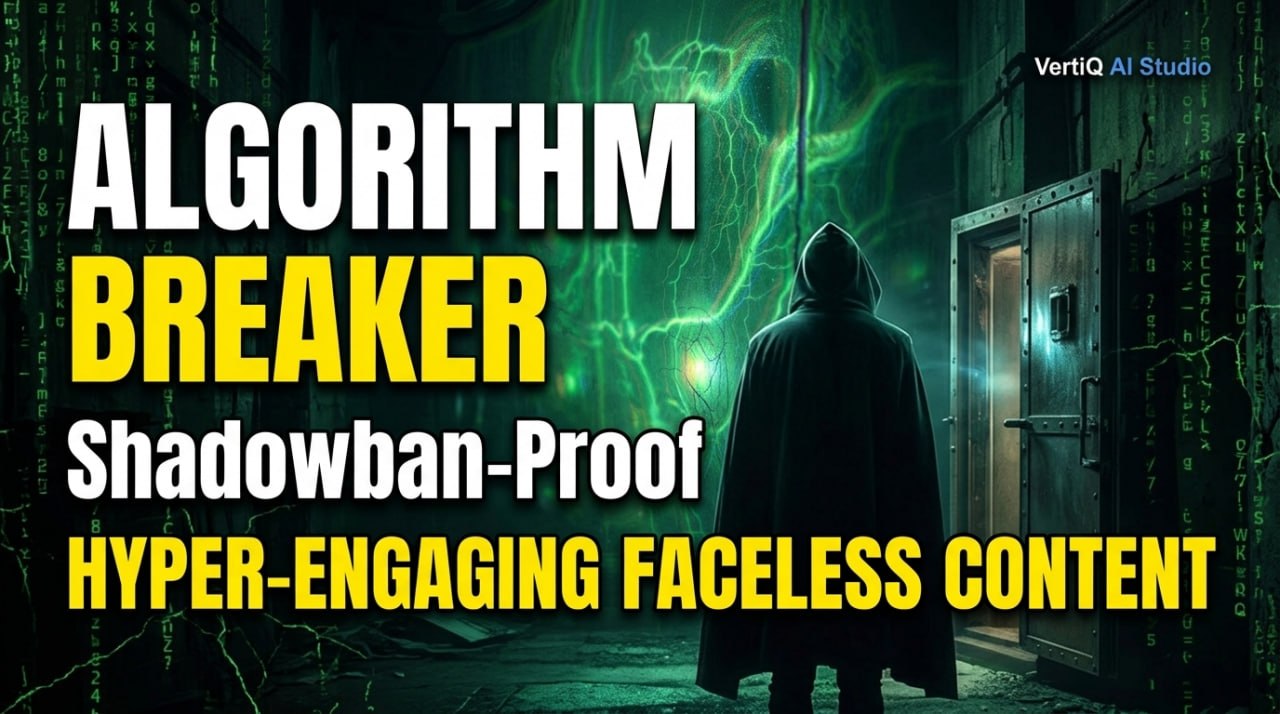
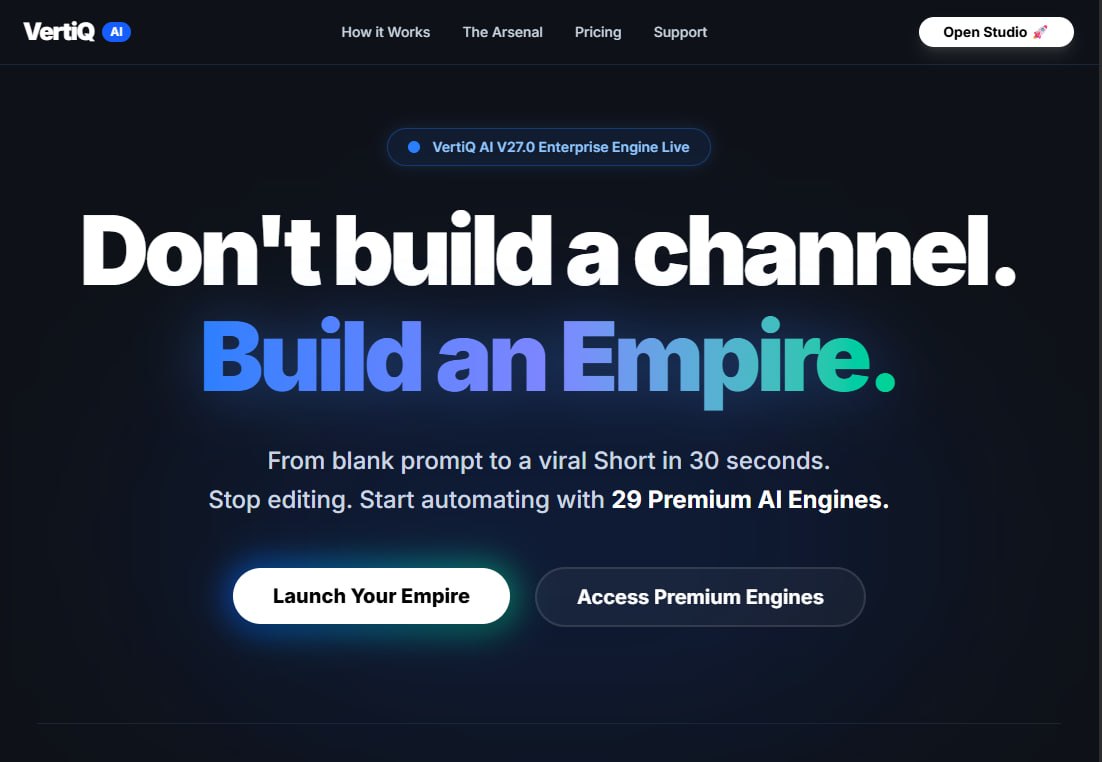
The system was called ‘VertiQ’. And it was not another simple video template generator. This was a high-end B2B weapon built for global marketing agencies and the people running content factories. I’d engineered a “Stealth Matrix” from the ground up to physically bypass shadowbans using techniques like Hex Mutation and Audio Scramblers. It was serious.
Everything was done. The frontend showroom. The backend unmanned payment system using webhooks. The direct-to-cloud-storage delivery pipeline. It was a dollar-printing vending machine sitting right in front of me, just waiting for traffic.
The Founder’s Paralysis: Chasing Two Rabbits
Here’s the thing. Another tidal wave was coming for me. A completely different project, ‘Elenixia’, was hitting an explosive scale-up phase. It’s a high-end data SaaS that analyzes clinical patient data for functional medicine clinics, and a major push to target VVIP clinics in Texas was right around the corner.
So there I was. One guy. I had a $99/month video tool (VertiQ) and a $499/month high-ticket healthcare tool (Elenixia) both ready for launch. My brain, like anyone’s, gets that dopamine hit from the new thing that’s moving fast. I knew if I tried to carry both, I’d inevitably fall into “Dev Hell,” that miserable place of constant maintenance where both projects would get half my attention and both would probably fail.
I had to make a call. I decided to pour 1000% of my firepower into the bigger market—the one focused on biological optimization (Elenixia) instead of software optimization.
The “No Rework” Hibernation Protocol (My RunPod Trick)
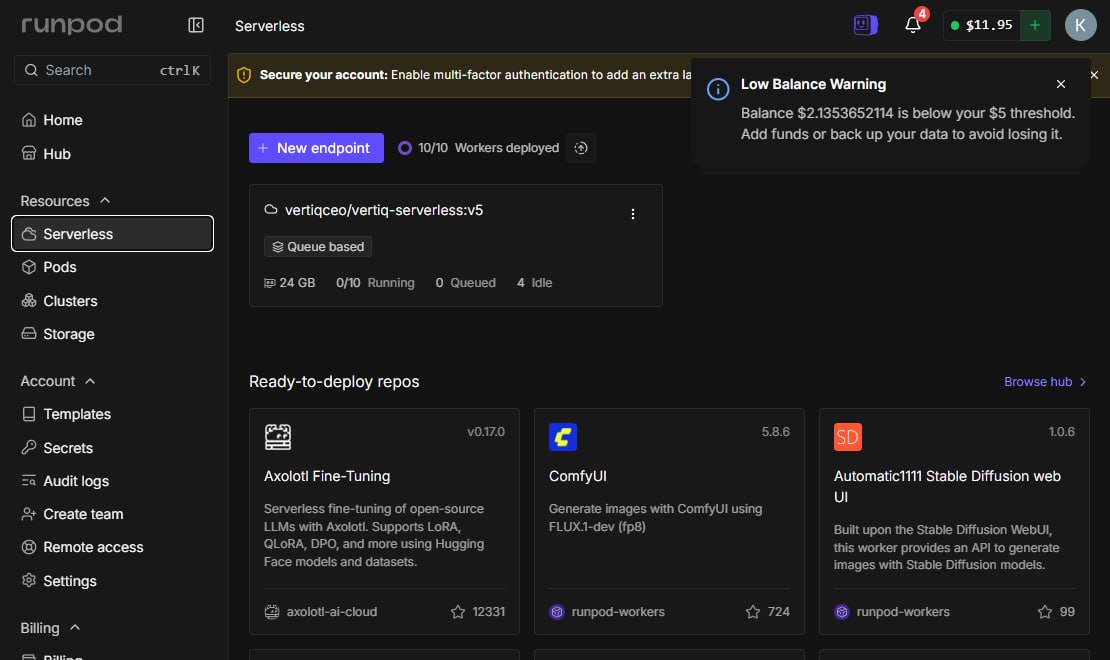
Okay, so I decided to pause VertiQ. But I couldn’t just let the rendering server on RunPod keep eating money every month. At the same time, deleting the server entirely would mean facing a future hell of rebuilding the Linux OS, the Python virtual environment, all of it. A plumbing nightmare I didn’t want to repeat.
So I used a simple strategy: completely separate the storage from the computing.
1. Kill the Pod: I immediately Terminated the expensive GPU/CPU pod. That container was costing me money even when idle. Computing costs instantly dropped to $0.
2. Keep the Volume: I did NOT delete the 250GB Network Volume. This is the permanent warehouse holding all my core code and hundreds of gigs of assets.
3. Plant a Revival Script: Inside that saved volume, I tucked away a little `boot.sh` script. When I eventually spin up a new server pod, this script will run once and instantly reinstall all the lost Linux permissions and dependency packages. It’s a one-second resurrection.
The result? For the price of a few sandwiches a month ($17.50), I’ve preserved months of brutal work in a perfect cloud cryo-capsule. The day I turn the power back on, the entire rendering factory will be back online, 100% identical, in under 5 minutes.
VertiQ isn’t a failure. It’s not abandoned. It’s just waiting in the hangar, fully armed, for its next mission. After I stabilize the growth trajectory of Elenixia, I promise you, I’m coming back to wake this beast. This journey taught me that being a founder isn’t just about starting things. It’s about having the guts to stop them at the right time.

“Sometimes the smartest automation is knowing which machine to turn off.”