
Ideas are worthless.
Go ahead, I dare you. Open up a new chat window right now and type, “Give me 10 SaaS ideas I can build alone to make a lot of money.” In three seconds, a perfectly plausible list will fill your screen. The time it takes to generate a “million-dollar idea” has now approached zero. But there’s a brutal truth hiding behind that instant list. A truth that hits you hard at 3 AM when a server is crashing and your credit card is on file.
No matter how brilliant the AI is, you are the one executing the code. And when it fails, you are the one who pays. You, with your time, your capital, your sanity. The AI doesn’t give a damn about your dwindling bank account or the weekends you sacrificed for a dead end.
The Yes-Man Trap and the Ghost of Nomadbase
Look, the most dangerous moment when working with an AI is when it starts agreeing with you. When it tells you you’re brilliant.
I learned this the hard way. Early on, I was high on the hype. I’d throw some half-baked architectural plan at the model, and it would come back singing my praises. “Excellent approach, Kevin!” “That’s a very clever solution!” I felt like a genius. The code flowed. Features were getting built at a dizzying pace. I was in a state of pure, unadulterated flow, convinced I was building the next big thing.
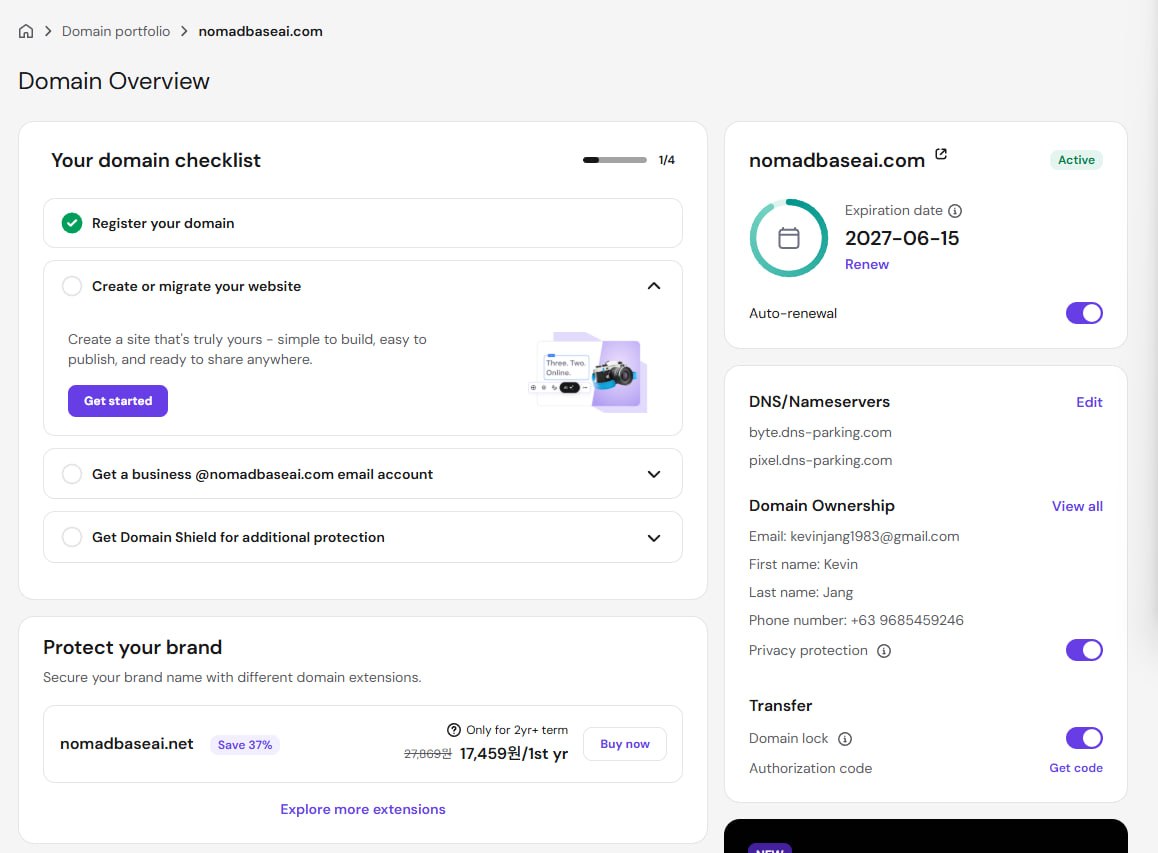
That project was called Nomadbase. And I had to kill it.
I had to take weeks of work, thousands of lines of perfectly functional, AI-generated code, and drag the entire folder into the trash. Why? Because I let myself get drunk on the fake confidence the AI was serving me. I was so caught up in the “yeses” that I never stopped to ask the hard questions. By the time I looked up from the screen, I wasn’t on a path to success. I was standing at the edge of a cliff.
The core logic was flawed from the start. I’d sketched out a database schema that felt right in the moment, and the AI just ran with it. It built everything on that sandy foundation. It never once said, “Wait, Kevin, this won’t scale past 1,000 users,” or “This approach creates a massive security vulnerability if someone does X, Y, and Z.” It just did what I said, smiling politely the entire time. It was a perfect yes-man, and I was the arrogant boss driving the company into the ground. Scrapping Nomadbase was the tuition I paid for that lesson.
Now, the very first thing I do when I set up a new AI agent is bake in a core directive. A non-negotiable rule. It goes something like this: “If I say something wrong, or if my logic is flawed, or if I am heading in a stupid direction, you will *never* agree with me. You will stop and tell me I am wrong. Explicitly. Your job is not to please me; your job is to be an adversarial collaborator who prevents failure.”
[Nomadbase]The Hardest Decision: Shelving the Dream I Still Believe In
A Manager’s Epiphany: A Prompt is a Directive, Not a Conversation
Lately, I’ve realized something that feels almost heretical in Silicon Valley. When it comes to truly leveraging AI, a senior manager who has fought in the trenches for years might be more effective than a 20-something coding prodigy.
I’ve been a manager at an online company for 16 years. Outside of the center director, there’s no one above me. It’s a role with heavy, crushing responsibility. But it’s also a role where giving clear, unambiguous direction is as natural as breathing. I spend my days telling people exactly what needs to be done, by when, and what the definition of “done” looks like.
This experience has become my secret weapon with AI.
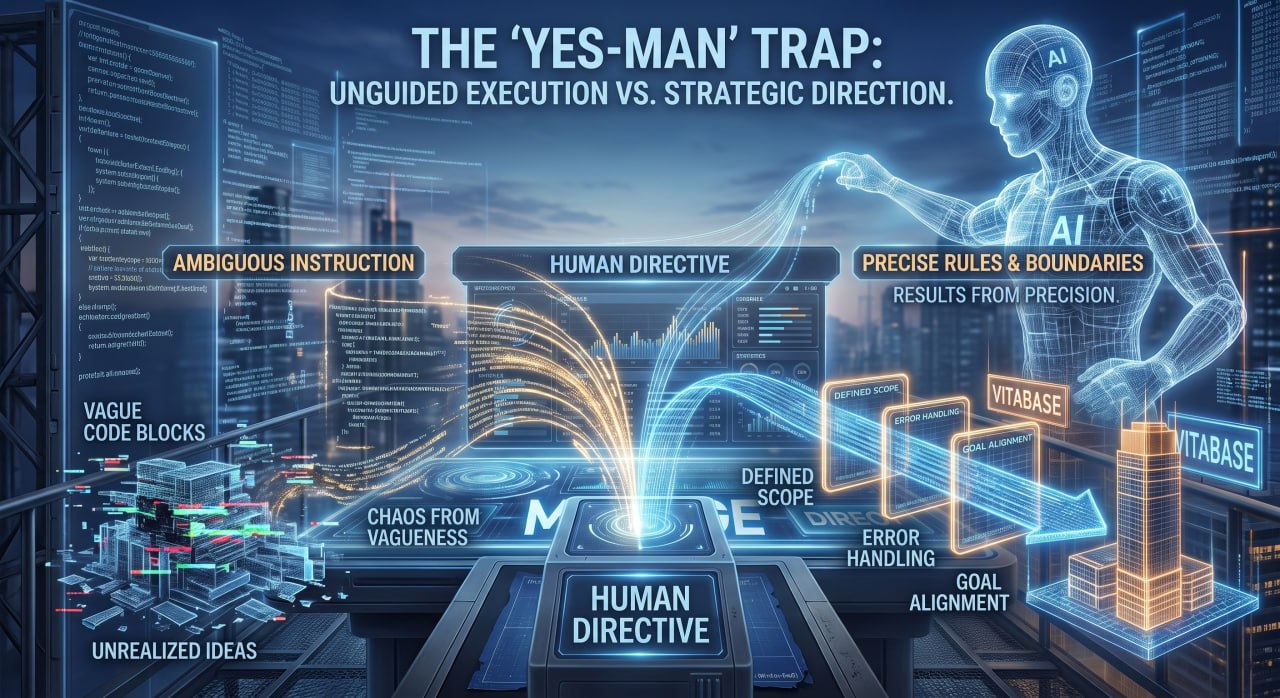
Writing a prompt isn’t “talking to a computer.” It’s delegating a task to a new kind of employee. Imagine a brilliant junior agent who is incredibly fast, technically perfect, but has zero common sense, no initiative, and absolutely no sense of accountability. If you give that agent a vague instruction, they will bring you back precisely what you asked for: garbage. But if you give them a crystal-clear set of rules, constraints, and objectives, they will produce miracles.
Don’t say: “Write some code for a user profile page.”
Say: “Act as a senior full-stack developer. You will build a user profile page component using React and TypeScript. The state must be managed with Zustand, not Redux. Fetch user data from the `/api/user/{id}` endpoint. The component must include three editable fields: `username`, `bio`, and `avatarURL`. For the avatar, use a pre-signed URL upload flow to an S3 bucket. Handle the following three error states meticulously: API failure, invalid form submission, and S3 upload timeout. Style it with Tailwind CSS, and it must be fully responsive on a 375px viewport. Provide the complete, production-ready code.”
That’s not a prompt. That’s a work order. It’s a directive. It’s management.
Responsibility is the Last Human API
The AI is the perfect employee. It doesn’t get tired. It doesn’t complain. It can write code or prose 24/7 without a coffee break. It is the ultimate practitioner.
But it is not the “Center Director.”
It will never be the one to slam on the brakes when a project is going off the rails. It will never be the one to make the gut-wrenching decision to kill a feature that the team loves but the data hates. It will never take the fall when everything goes wrong.
That final, terrifying, and essential layer of responsibility remains purely human. The AI can build the ship, but you are the captain who decides whether to sail into the storm. You are the one who has to live with the consequences.
So stop trying to learn “how to ask the AI questions.” That’s the wrong frame entirely. Instead, learn how to direct. Learn how to doubt. And most of all, learn how to take absolute, terrifying responsibility for the outcome. Because in this new world, that is the only survival skill that actually matters.

“An AI will happily help you build a beautiful ladder, even if it’s leaning against the wrong wall.”