
A founder’s peace of mind is only as stable as the server running their automation.
Telegram Logs and the Midnight Panic
This past weekend, my main rendering machine kept crashing in the dead of the night. Because I spend most of my weekends away from the main workstation, all I could do was pace around and helplessly watch the error reports roll in. My Telegram logs painted a grim picture. At exactly 3:00 AM, the automated rendering sequence kicked off, successfully baked five videos, and then the system completely died. I forced a manual render command at 8:00 AM. It managed to bake six more before flatlining again. Desperate, I executed a remote reboot to push a few more out—two videos rendered, and another crash.
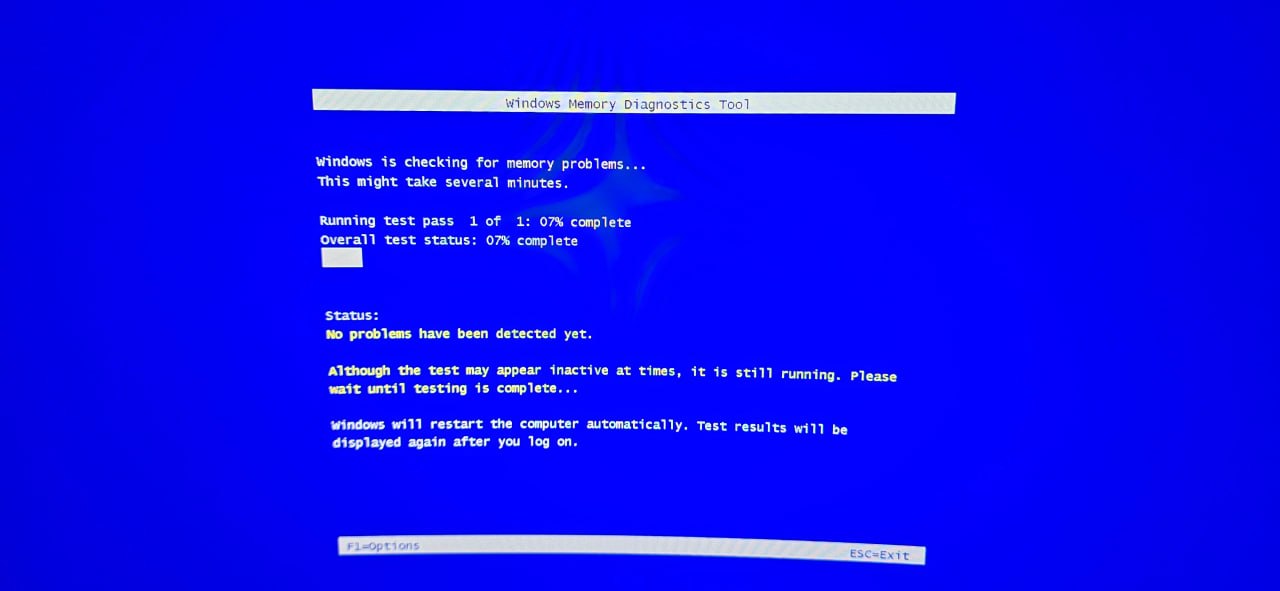
During the agonizing one-hour drive back to my office, my mind was racing through the variables. Was the CPU or GPU overheating? Was the hardware finally surrendering to the brutal Davao summer heat? That didn’t make sense, considering my room stays relatively cool. The uncertainty of a broken pipeline is the fastest way to ruin a solo founder’s weekend.
The Culprit Behind the Red Glow
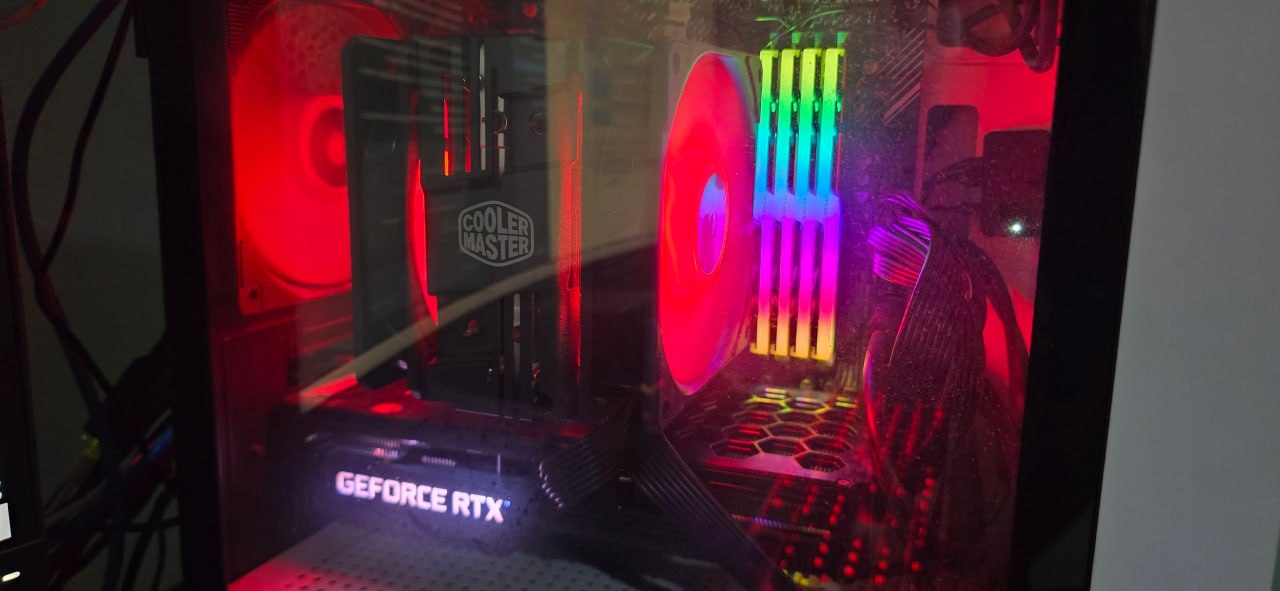
I rushed inside and immediately pulled the logs. Staring into the dark chassis of the rendering rig, illuminated by the intense, furnace-like red glow of the cooler fans and the vibrant rainbow spectrum of the RAM modules, it suddenly hit me. The bright white GeForce RTX logo was quietly mocking my oversight. The issue wasn’t the graphics card, the cooling system, or the local climate. It was the memory.
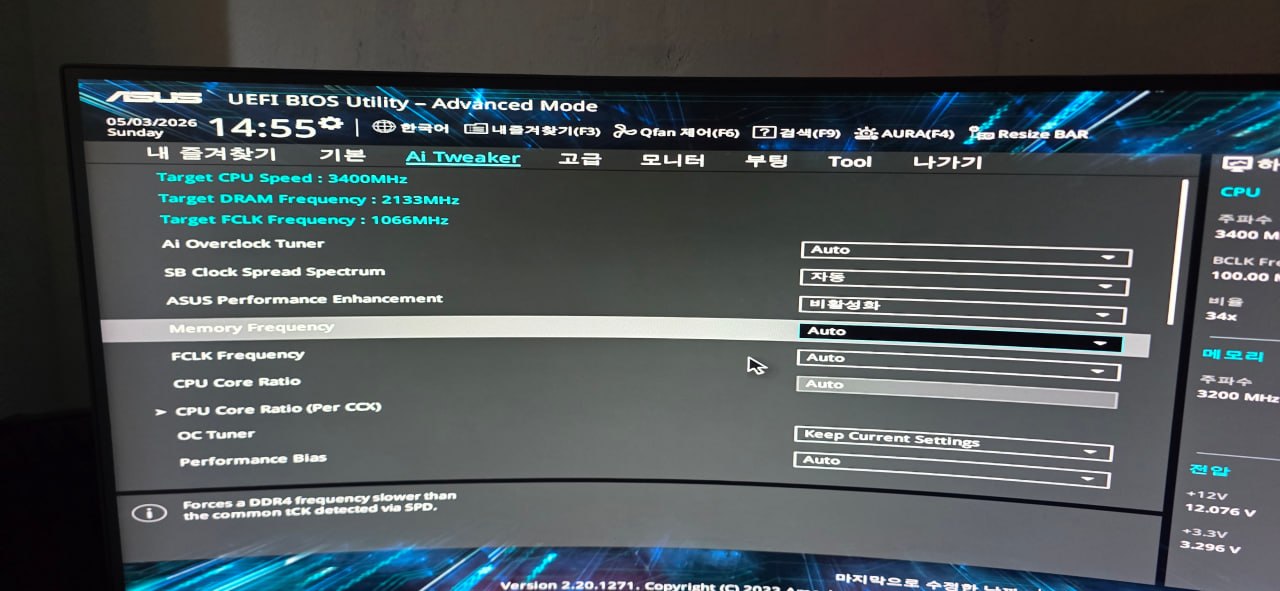
I had recently upgraded the system to a 64GB full-bank configuration. The CPU simply could not handle the stress of running four sticks of G.Skill tuning RAM simultaneously at 3200MHz. The hardware was choking on its own performance settings. The fix was slightly humbling but necessary. I booted into the BIOS and drastically underclocked the memory down to 2133MHz. As much as I like seeing high clock speeds, the reality is I rarely have the time to sit down and play heavy 3D games anymore. For the specific rendering tasks required by the Shorts Factory, the drop in RAM speed makes absolutely zero difference in our production output.
Smooth Sailing to 40 Channels
As soon as I dialed back the frequency, the system stabilized like magic. To be absolutely certain, I queued up a massive stress test, rendering the entire upcoming batch of videos for channels 21 through 40 in one continuous shot. It chewed through the queue perfectly without a single hiccup. Thinking back to the sheer panic I felt during that drive back, the relief was immense.
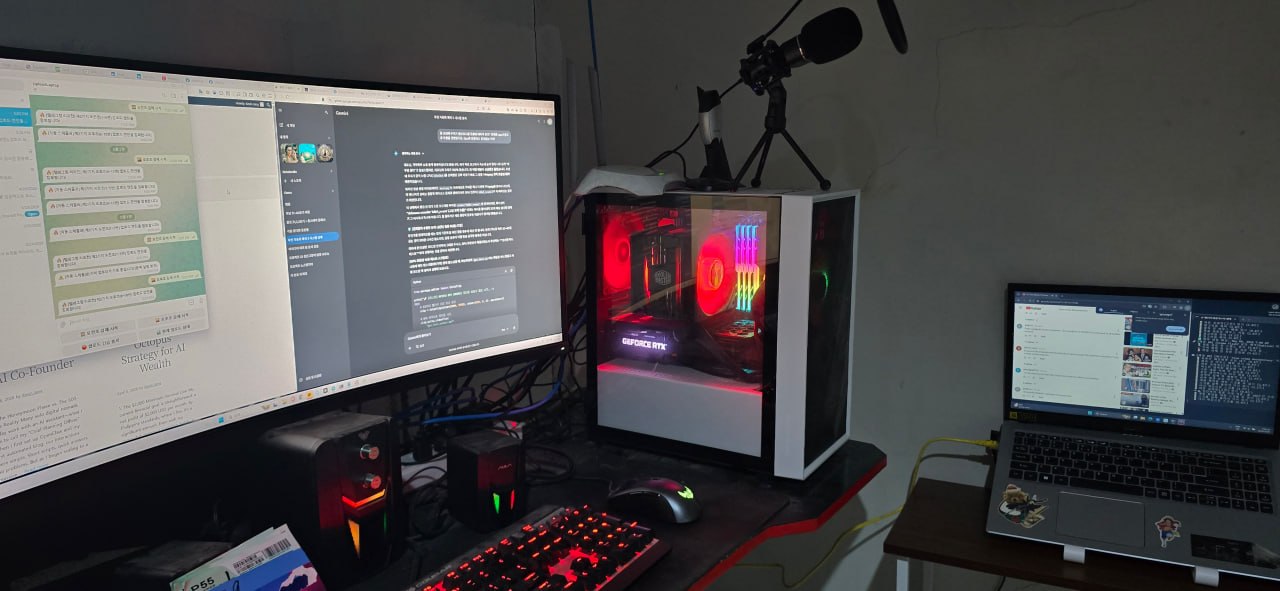
Now, the pipeline is clear. In exactly two days, channel 21 will begin its algorithmic aging process. By next week, I will have a staggering 40 channels running on pure, uninterrupted automation. Looking at the rig silently humming away, it is hard not to feel a massive surge of pride.
What is the most frustrating hardware bottleneck you have ever had to troubleshoot in your own automated workflows?

“True automation isn’t just about writing flawless code; it’s about configuring a physical infrastructure resilient enough to execute it while you sleep.”